
It’s funny how a simple bit of polyester material can transport you back in time, connect you to the glory of heroes of the past. It can create a bond between player and city, fan and team. Or just think how putting on a simple jersey can make a player like Jalen Brunson, listed at just over 6ft, feel taller than Victor Wembanyama.
It’s all down to the psychology of basketball jerseys and how they impact player confidence. It’s more than just a garment, and it’s more than the high-end materials representing millions of dollars in research. The jersey, at its core, can make a good player a great one, even if it’s just for a single game or series.
Feeling Like a Pro Player
Ask any former NBA player what it feels like to put on their old jersey. It envelops you with a feeling, a switch that turns game mode on. It acts like a mental signal, a Pavlovian cue that it’s time to level up.
For the pros, it’s a core ritual component. Once you put the jersey on, you know you’re going to step on that court to represent a city, a franchise, a hungry fanbase looking to their idols to realize their dreams. When Luka put on that Lakers jersey, it instantly broke thousands of Dallas hearts, and conversely, started a love story in Los Angeles.
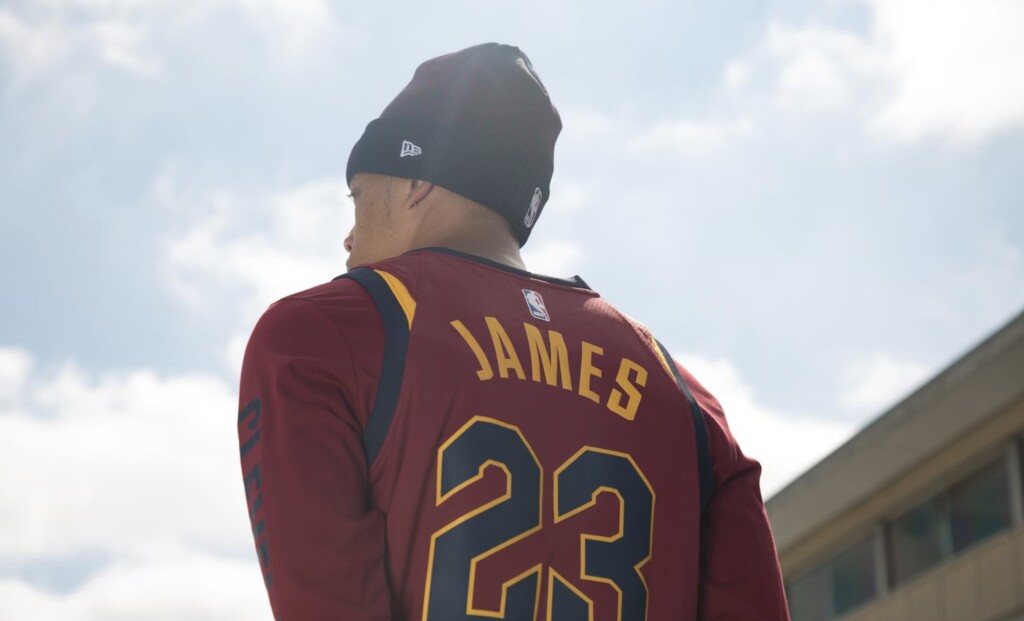
For amateur players, having the real deal, just like the pros wear, makes them feel like something more. We’ve all gone through the same set of emotions. You put on that Jordan 23 retro, one of the most famous jerseys ever, and every shot will hit, you just know it. You’ll swish that game winner, just like MJ over Ehlo.
On the flip side, a shoddy, poorly-fitted jersey can take you down a few inches. You feel like you’re part of a team that’s not taking it seriously, it’s cheap, it’s nothing like what Don?i? or Joki? wear on the court.
The Psychology of Team Building
The first step is feeling like a pro as an individual player. But the title of this piece includes the plural for a reason; jerseys impact player confidence at the team level, too.
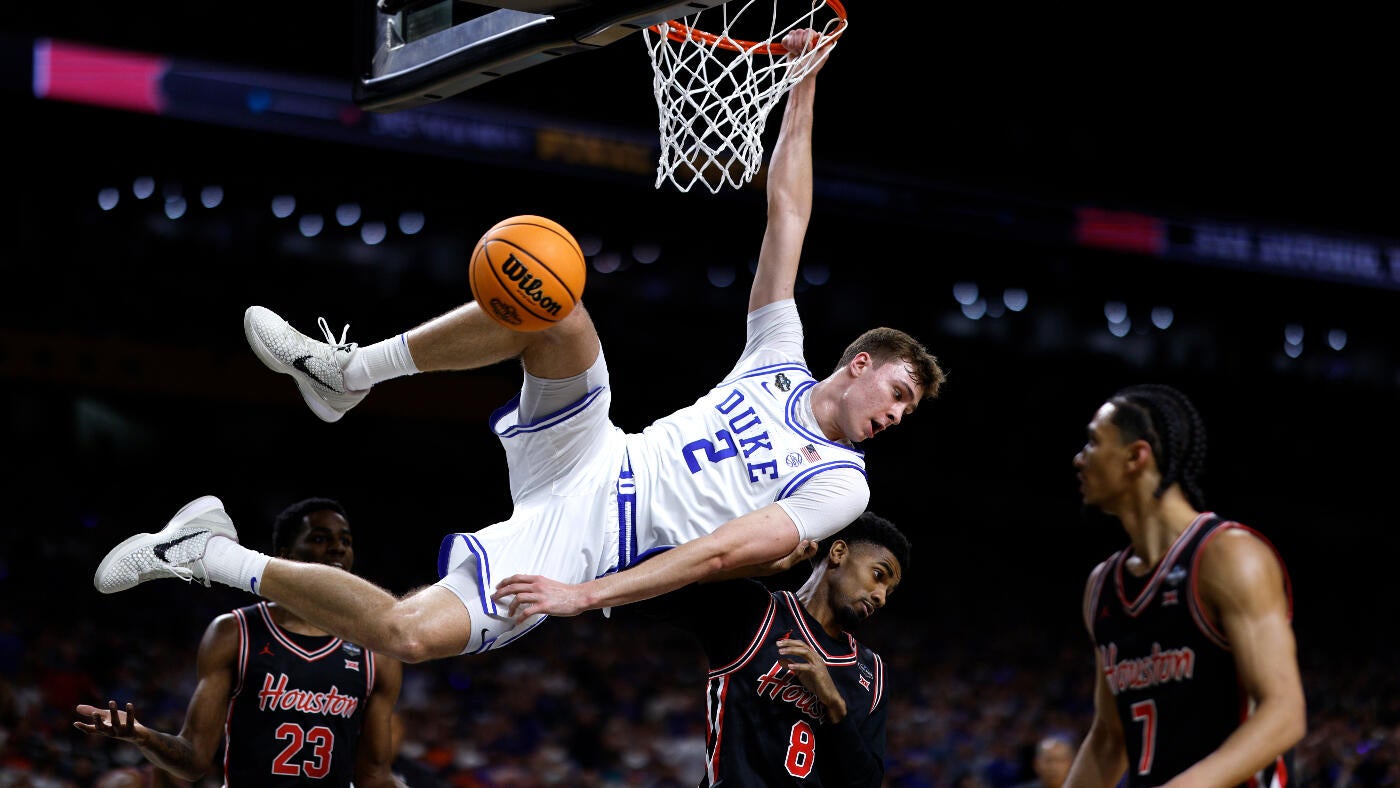
Matching uniforms builds that feeling of “us”, moving together as a single unit, passing, rotating, screening, all without putting the individual at the forefront. Uniforms don’t do it all, but they’re a first step in the team-building process for a championship team.
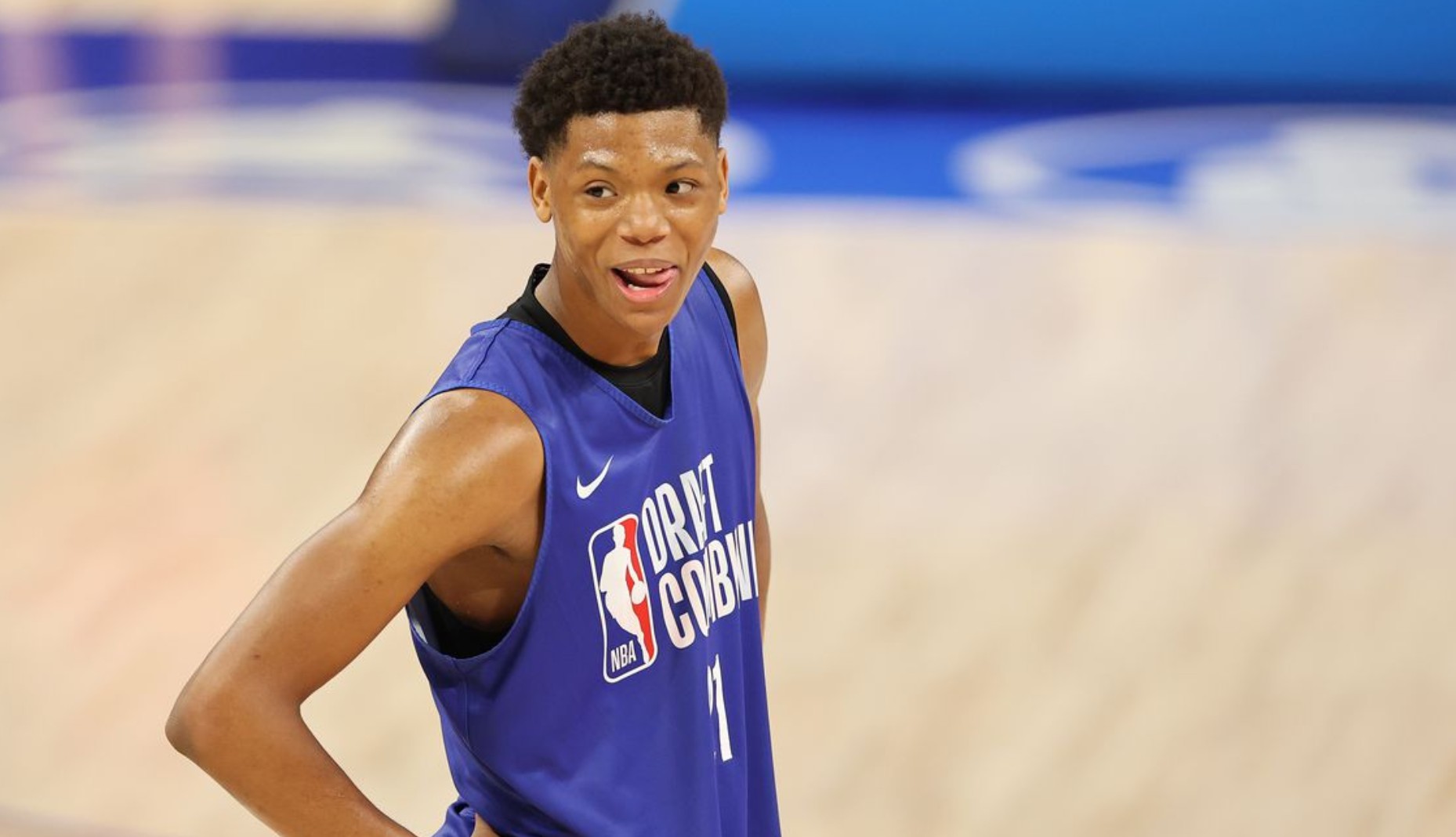
For a pro player, it means finally joining an NBA franchise, and it’s for real. Putting on that jersey on draft night, it represents the thousands of hours in the gym, the sacrifices, the sheer joy of an unbelievable moment, Adam Silver announcing your name on that stage. It starts the process of becoming part of something bigger.
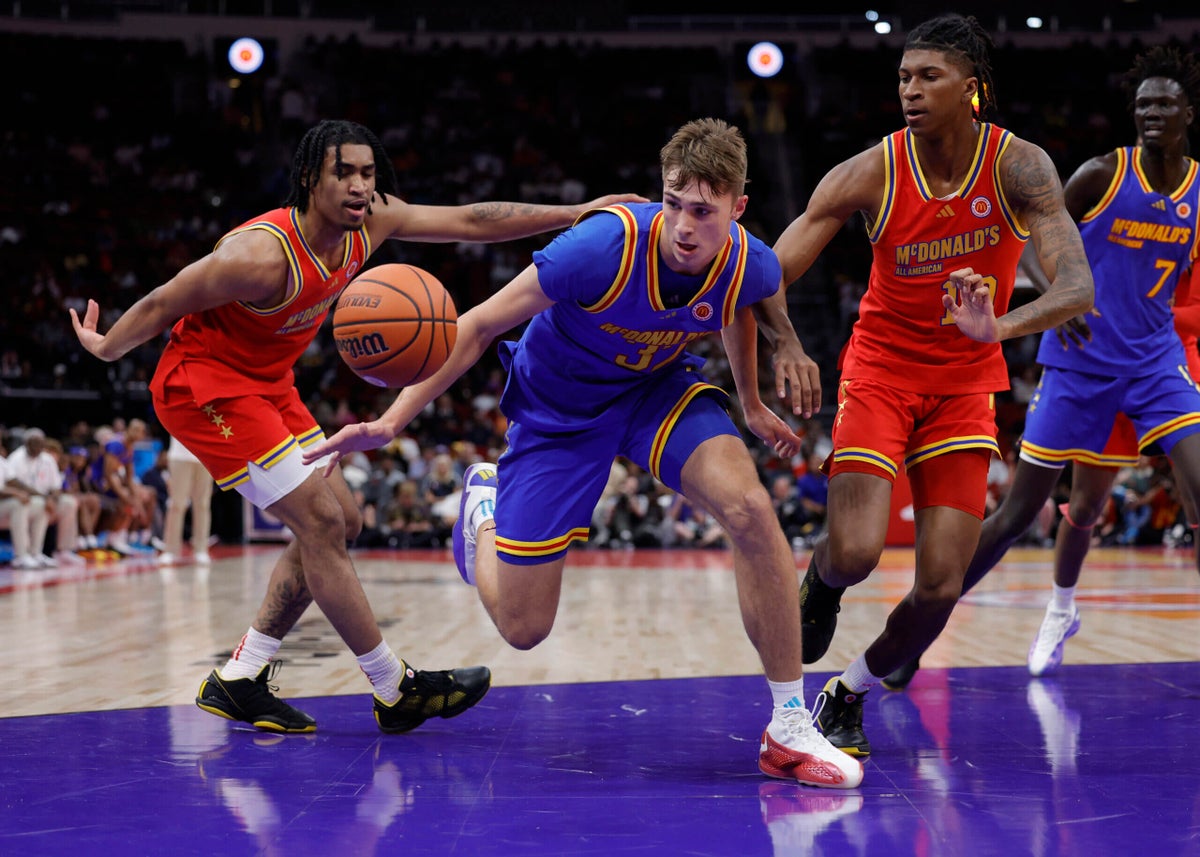
On an amateur court, uniforms help players when they may not know each other very well. A cohesive jersey design that represents their club, college, or local town is a powerful signal of togetherness.
To the outside, fans and opposing teams will see something, expect something. When you face a team that looks like a single unit, with professional jerseys, the nerves build, and the doubt creeps in.
Jerseys Connect Players to Fans and City
On June 4, 2026, the Houston Rockets announced new uniforms. Or rather, new old uniforms. The team is going back to ketchup-and-mustard, harking back to the glory days of Hakeem Olajuwon and Clyde Drexler.
Clutch City, 2026 edition. The team finally listened to their fans, who have been asking, almost begging, for a switch from their unpopular designs of recent years.
With the release, fan buzz exploded straight away. The Rockets feel like the Rockets again, whole, complete, a reparation of a bond that should never have been broken.
The players feel it, too. Players like Kevin Durant and Amen Thompson have already given their seal of approval. And it doesn’t seem like they’re just reading off the PR script, either.
Uniforms mean something to players, also. Even if they’re earning millions of dollars. When the design isn’t up to spec, new but for no reason other than a cheap way to make more sales, players feel it on the court.
When there’s thought behind it, a true connection to the soul of a franchise, a respect that’s there for those that came before, it really creates something between a player and the team. It’s why the Boston Celtics haven’t changed their core design, or why the Lakers still play in their famous purple and gold.
More Than Fabric
Of course, there is a limit to all of this. A Jersey can’t defend a pick-and-roll or block a potential championship-winning shot (only OG Anunoby can do that).
Yet a jersey can give that little extra boost, that 1% that makes all the difference. The best designs support movement, and they maximize breathability. But they also carry the history of a franchise, match design and quality, and give players a psychological edge over their opponent.